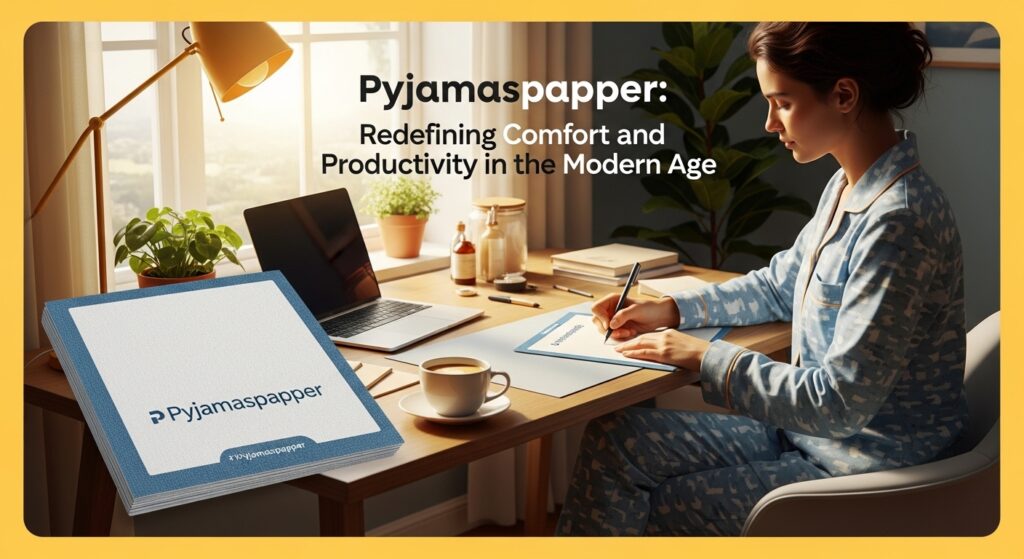
In a small apartment in downtown Amsterdam, a young entrepreneur named Lila sat at her desk, sipping coffee and scrolling through her laptop in her favorite pair of soft pyjamas. She had recently discovered pyjamaspapper, a concept that seemed trivial at first but had surprisingly transformed her work-from-home routine. It wasn’t just about wearing pyjamas while working; it was a philosophy, a lifestyle approach that married comfort, efficiency, and mental clarity. This blend of coziness and productivity is reshaping how professionals approach their daily lives, and it’s worth exploring in detail.
What Is Pyjamaspapper?
At its core, pyjamaspapper is a fusion of lifestyle and work culture. It refers to the practice of integrating comfort into professional routines without compromising productivity. Think of it as working efficiently while maintaining a relaxed state of mind, often facilitated by wearing loungewear or pyjamas at home or in casual office setups. While the idea might sound indulgent, it carries tangible psychological and practical benefits.
The movement has gained traction among freelancers, remote workers, and startups, particularly those embracing flexible work environments. Pyjamaspapper is more than just attire; it symbolizes a shift in how people value work-life balance, mental health, and personal well-being.
The Psychology Behind Comfort and Productivity
Research consistently shows that our physical environment influences our mental state. When people feel comfortable, they are more likely to engage deeply with their tasks, experience reduced stress, and maintain higher cognitive function. Pyjamaspapper taps into this principle. By embracing comfort, professionals can optimize their focus, creativity, and overall work satisfaction.
For instance, wearing restrictive or formal clothing at home can subtly elevate tension, making it harder to concentrate. In contrast, loungewear allows the body to relax, which can enhance mental clarity and decision-making. The simple act of prioritizing comfort is, in effect, a strategic productivity tool.
Integrating Pyjamaspapper Into Daily Routines
Incorporating pyjamaspapper into a daily routine requires mindfulness and structure. The concept isn’t about being lazy or unprofessional—it’s about creating a conducive environment for deep work. Here’s how modern professionals can apply this approach:
-
Design a Comfortable Workspace – Even if you’re working from home, designate a space that combines functionality with comfort. Adjustable chairs, soft lighting, and cozy fabrics can reinforce a productive mindset.
-
Dress for Success, Comfortably – Replace restrictive office attire with soft pyjamas or loungewear that feels natural yet professional enough for video calls.
-
Set Boundaries – Comfort should complement discipline. Establish clear working hours and breaks to prevent blurred lines between relaxation and productivity.
-
Mindful Rituals – Begin the day with a short routine that reinforces comfort and readiness, such as stretching, brewing tea, or journaling.
By adopting these practices, pyjamaspapper transitions from a casual idea to a holistic lifestyle strategy that promotes sustainable productivity.
The Cultural Shift Toward Remote Comfort
The rise of remote work has amplified interest in concepts like pyjamaspapper. Across the globe, professionals are reevaluating what constitutes “professionalism.” Strict dress codes and formal office spaces are no longer the sole indicators of productivity. Companies that encourage flexible, comfort-oriented environments often report increased morale and employee retention.
| Aspect | Traditional Office | Pyjamaspapper Approach |
|---|---|---|
| Dress Code | Formal, restrictive | Loungewear, pyjamas-friendly |
| Work Environment | Structured cubicles | Flexible, cozy spaces |
| Stress Levels | Higher due to rigidity | Lower, comfort-focused |
| Productivity | Task-focused, variable | Deep work and creative flow |
This table highlights how embracing comfort doesn’t undermine professionalism; rather, it creates conditions for enhanced performance.
Challenges and Misconceptions
Despite its appeal, pyjamaspapper faces skepticism. Critics often associate it with laziness or a lack of ambition. However, real-world applications show otherwise. The key lies in intention and execution. When comfort is strategically integrated into work routines, it becomes a tool for efficiency rather than a distraction.
Another challenge is balancing the informal with professional obligations. Video conferences, client interactions, and collaborative sessions still require a degree of presentability. The solution is blending casual attire with smart accessories or structured routines that maintain a professional image without sacrificing comfort.
Pyjamaspapper Beyond Home Offices
Interestingly, pyjamaspapper is not limited to remote work. Some co-working spaces now encourage cozy environments with lounge zones, soft furnishings, and flexible seating. Educational institutions, creative agencies, and tech startups are experimenting with comfort-driven layouts to foster engagement and innovation.
Moreover, digital tools like virtual backgrounds, focus apps, and productivity trackers complement the philosophy, allowing individuals to maintain professionalism while working in relaxed settings.
Expert Insights and Future Trends
Industry experts suggest that the rise of pyjamaspapper reflects a broader trend: human-centric work environments. Dr. Lena Hoffmann, a workplace psychologist, explains:
“When employees feel physically comfortable, their cognitive load decreases. Comfort enables concentration and reduces burnout, which ultimately benefits both individuals and organizations.”
Looking ahead, we can expect more brands to design pyjamas and loungewear specifically for work. Materials that balance softness with structure, temperature-regulating fabrics, and versatile designs are likely to become mainstream. The concept may even influence traditional offices, encouraging a hybrid model where comfort and productivity coexist.
Conclusion
Pyjamaspapper represents a nuanced evolution in the modern approach to work-life balance. Far from being mere indulgence, it is a practical strategy to enhance focus, creativity, and overall well-being. By prioritizing comfort in thoughtful ways, professionals can thrive in remote, hybrid, or even traditional environments. The movement encourages us to rethink productivity—not as a rigid, uncomfortable pursuit, but as a harmonious integration of ease and efficiency.
Whether you’re a freelancer, entrepreneur, or corporate professional, embracing pyjamaspapper could redefine your relationship with work, offering a sustainable, mentally enriching path to success.