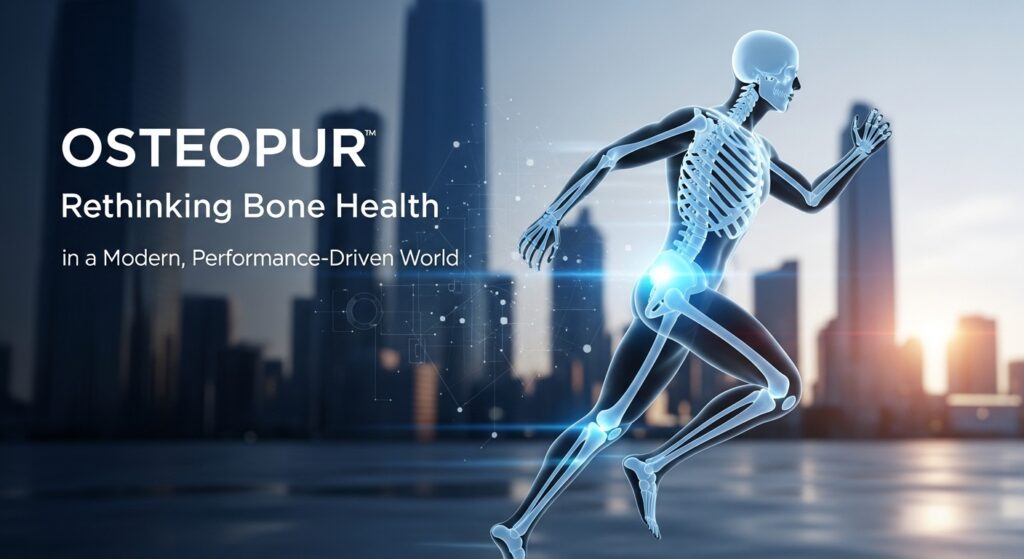
In a quiet orthopedic clinic on the edge of a growing city, a physician once remarked that bone health had become one of the most underestimated pillars of long-term performance. People were living longer, working harder, and pushing their bodies further than ever before—yet few stopped to think about the structural foundation that made all of it possible. That observation captures the growing relevance of osteopur, a concept increasingly discussed wherever health, longevity, and sustainable performance intersect.
Rather than being treated as an afterthought associated only with aging, osteopur represents a broader shift in how bone integrity, mineral balance, and skeletal resilience are understood in contemporary health conversations. It reflects the idea that strong bones are not just a medical concern but a strategic asset for anyone building a future that depends on physical and mental endurance.
Understanding Osteopur Beyond Traditional Bone Care
For decades, bone health was framed almost exclusively in terms of deficiency and decline. The conversation focused on what happens when bones weaken, fracture, or fail. Osteopur introduces a more proactive narrative. Instead of reacting to problems after they appear, it emphasizes maintaining optimal bone quality throughout life.
At its core, osteopur is about purity and balance within the skeletal system. Bones are living tissue, constantly remodeling in response to nutrition, movement, hormones, and lifestyle choices. When these inputs are aligned, bone density and flexibility coexist in a healthy equilibrium. Osteopur captures this balance, positioning bone health as dynamic rather than static.
This perspective resonates strongly with entrepreneurs, founders, and professionals who already understand the value of preventive strategy in business. Just as companies invest early in infrastructure to avoid costly failures later, individuals are beginning to view osteopur as an investment in long-term personal capacity.
Why Bone Health Has Become a Strategic Concern
Modern work and living patterns place unique stresses on the body. Long hours at desks, reduced exposure to natural movement, and inconsistent nutrition all influence skeletal strength. At the same time, people are engaging in high-intensity exercise, endurance sports, and physically demanding hobbies well into later decades of life.
Osteopur emerges at this intersection of sedentary routines and peak-performance expectations. It reframes bones as a competitive advantage—something that quietly supports every movement, posture, and physical decision. When bone health is compromised, productivity, mobility, and even confidence can suffer.
What makes this shift especially relevant today is awareness. Advances in research and diagnostics have made it clear that bone density alone is not the full story. Microstructure, mineral absorption, and the body’s ability to regenerate tissue all matter. Osteopur aligns with this more nuanced understanding, encouraging a holistic view of skeletal wellness.
The Role of Nutrition and Absorption in Osteopur
Nutrition has always been associated with bone strength, but osteopur places particular emphasis on how nutrients are absorbed and utilized rather than simply consumed. Calcium and vitamin D are well-known contributors, yet they function effectively only within a broader nutritional context.
Proteins, trace minerals, and overall gut health influence how building blocks are delivered to bone tissue. Osteopur highlights the importance of bioavailability—ensuring that what enters the body actually reaches the skeletal system in usable form. This idea has resonated strongly in wellness circles, where the focus has shifted from quantity to quality.
To illustrate how osteopur reframes nutritional priorities, consider the following comparison:
| Aspect of Bone Health | Conventional View | Osteopur-Oriented View |
|---|---|---|
| Calcium intake | Emphasis on high dosage | Emphasis on absorption efficiency |
| Vitamin D | Supplement-based focus | Integrated with lifestyle and sunlight |
| Protein | Secondary concern | Core structural component |
| Lifestyle impact | Minimal consideration | Central to long-term outcomes |
This table underscores how osteopur moves beyond simplistic checklists toward systems thinking, a mindset already familiar to leaders and innovators.
Movement, Load, and the Living Skeleton
Bones respond to stress, but not all stress is equal. Weight-bearing movement signals the body to reinforce skeletal structures, while prolonged inactivity sends the opposite message. Osteopur incorporates this biological reality into its framework, advocating for intentional, consistent movement rather than sporadic extremes.
What sets osteopur apart is its recognition that movement patterns matter as much as movement volume. Functional strength, balance, and posture all influence how force travels through the skeleton. Over time, these patterns shape bone architecture in subtle but significant ways.
This approach aligns naturally with professional lifestyles that prioritize efficiency. Instead of prescribing rigid exercise regimes, osteopur supports adaptable movement strategies that fit into demanding schedules while still providing meaningful skeletal stimulus.
Osteopur and the Longevity Economy
Longevity is no longer a niche interest reserved for medical researchers. It has become an economic and cultural force, influencing how people plan careers, finances, and personal development. Osteopur fits squarely within this longevity economy, addressing one of its most overlooked components.
Strong bones enable independence later in life, reducing the risk of injury and supporting active engagement well beyond traditional retirement ages. From a systems perspective, osteopur represents resilience—the capacity to remain functional under pressure and over time.
For founders and entrepreneurs, this concept is particularly compelling. Businesses are built for scalability and durability, not just rapid growth. Osteopur mirrors that philosophy at a biological level, emphasizing sustainability over short-term fixes.
Technology, Data, and the Future of Osteopur
As health technology evolves, bone health is becoming more measurable and personalized. Imaging tools, biomarkers, and predictive analytics are offering deeper insight into skeletal status long before symptoms appear. Osteopur integrates seamlessly with this data-driven approach.
Rather than relying on generalized recommendations, osteopur supports individualized strategies informed by measurable indicators. This parallels trends in business intelligence, where decisions are increasingly guided by real-time data rather than intuition alone.
The future of osteopur likely lies in this convergence of biology and technology. As insights become more precise, bone health strategies will become more targeted, efficient, and aligned with individual goals.
Cultural Shifts and the Narrative Around Strength
Culturally, strength has often been associated with visible muscle or external performance. Osteopur quietly challenges that narrative by shifting attention to internal structure. Bones are invisible, yet they determine the limits of physical expression.
This reframing has subtle but powerful implications. It encourages a more mature understanding of strength—one that values stability, durability, and long-term function over short-lived displays. In professional and entrepreneurial communities, where burnout and physical strain are common, this perspective feels particularly relevant.
By emphasizing foundational health, osteopur contributes to a broader cultural shift toward sustainable excellence.
Conclusion
Osteopur is not a trend defined by novelty but a concept rooted in rediscovery. It reminds us that progress often comes from paying closer attention to fundamentals we once took for granted. In an era obsessed with speed and optimization, osteopur invites a quieter, more strategic focus on the skeletal framework that supports every ambition.
As conversations around performance, longevity, and resilience continue to evolve, osteopur stands as a bridge between science and strategy. It speaks to those who understand that true strength—whether in business or in life—is built from the inside out, one well-supported structure at a time.