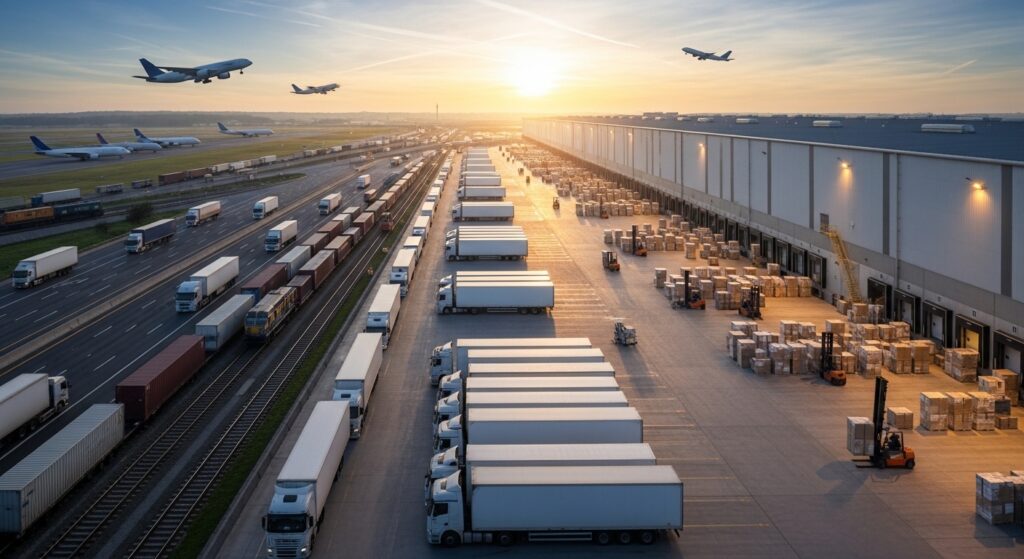
Logistics, often overshadowed by flashier industries, plays a crucial role in our daily lives. Imagine the intricate dance of goods moving from one logisths corner of the globe to another. From ancient traders navigating uncharted waters to today’s automated supply chains powered by cutting-edge technology, logistics has continuously evolved. It is not just about moving products; it’s about connecting people and communities.
As we delve into this fascinating journey through time, we’ll explore how logistics has transformed over the centuries. This evolution reflects changes in society, commerce, and technology — all vital threads woven into the fabric of modern life. Join me as we unlock the story behind “logisths” and discover its significance today and for future generations.
The Rise of Modern Logistics and its Importance in Today’s World
The rise of modern logistics has transformed the way businesses operate. It’s no longer just about moving products from point A to B; it’s about creating a seamless flow that enhances efficiency and customer satisfaction. Today, logistics is integral to supply chain management. Companies rely on sophisticated systems that track inventory in real time, ensuring they meet consumer demand without overstocking. This agility sets successful businesses apart in competitive markets.
E-commerce has further amplified the significance of logistics. With customers expecting rapid delivery times, companies invest heavily in optimizing logisths their distribution networks. The ability to deliver goods quickly can make or break a brand’s reputation. Furthermore, globalization has expanded markets beyond borders. Modern logistics enables companies to navigate complex regulations and cultural nuances while reaching international consumers effectively. It’s an ever-evolving field that shapes economies and influences daily life worldwide.
Advancements in Technology and Automation in Logistics
Technology is reshaping the logistics landscape at an unprecedented pace. From warehouse automation to real-time tracking systems, advancements are streamlining operations like never before. Robotics play a vital role in enhancing efficiency. Automated guided vehicles (AGVs) move goods seamlessly across warehouses, reducing human error and increasing speed. Drones are also emerging as key players for last-mile deliveries, making it possible to reach remote areas swiftly.
Artificial intelligence (AI) analyzes vast amounts of data, optimizing supply chain processes. Predictive analytics forecast demand trends, allowing companies to adjust their inventories accordingly. Cloud-based platforms centralize information flow among stakeholders. This transparency fosters better collaboration and helps mitigate risks associated with supply chain disruptions. The integration of Internet of Things (IoT) devices adds another layer by providing real-time insights into asset conditions and locations. Together, these technologies create a more efficient logistics ecosystem that can adapt quickly to changing demands.
Impact of Globalization on Logistics: Challenges and Opportunities
Globalization has transformed logistics into a dynamic field, reshaping how goods move around the world. As markets expand beyond borders, businesses face both exciting opportunities and significant challenges.
The demand for faster delivery drives innovation in supply chain management. Companies can now access global suppliers, allowing them to optimize costs and enhance product offerings. This interconnectedness fosters competition and encourages efficiency.
However, globalization also brings hurdles. Complex regulations differ across countries, leading to potential delays and increased operational risks. Political instability or trade disputes can disrupt established routes.
Moreover, cultural nuances impact customer expectations regarding service quality and responsiveness. Adapting to these variations requires agility from logistics providers.
Navigating this intricate landscape demands strategic thinking. Businesses must embrace innovative technologies while remaining resilient against unpredictable changes in the global economy.
Sustainable Practices in Logistics: Going Green for a Better Future
Sustainable practices in logistics are gaining momentum as businesses recognize their role in environmental stewardship. By optimizing supply chains, companies can reduce waste and lower carbon emissions.
Electric vehicles are becoming more common, replacing traditional fuel-powered transportation. This shift not only decreases air pollution but also fosters energy independence.
Moreover, implementing eco-friendly packaging solutions is crucial. Companies now opt for biodegradable materials that minimize landfill impact.
Another innovative approach involves utilizing data analytics to enhance route efficiency. This reduces travel time and cuts down on fuel consumption.
Collaboration between stakeholders plays a vital role too. Partnerships focused on sustainability can drive collective progress toward greener operations.
As the industry evolves, it’s clear that being environmentally conscious is not just a trend—it’s essential for long-term viability and growth in logistics.
Future Predictions for the Evolution of Logistics
The future of logistics is poised for transformative changes. With the rise of artificial intelligence, we can expect smarter routing systems that will optimize deliveries in real time. This advancement could drastically reduce transit times and costs.
Autonomous vehicles are another exciting frontier. Drones and self-driving trucks may soon handle a significant portion of freight transport, increasing efficiency while minimizing human error.
Blockchain technology also holds promise. It offers enhanced security and transparency in supply chains, allowing businesses to track products with unparalleled accuracy.
Moreover, the focus on sustainability will shape logistics operations. Companies are likely to adopt eco-friendly practices not just as an obligation but as a competitive edge.
Consumer expectations will drive innovation further. Fast shipping options might become standard, pushing companies to streamline processes continually to meet rising demands.
Importance of Efficient and Effective Logistics in Our Daily Lives
Efficient and effective logistics play a crucial role in our daily lives. From the moment we order groceries online to the time they arrive at our doorstep, logistics ensures that everything runs smoothly.
Consider your morning coffee. The beans you enjoy are sourced from distant lands, processed, and transported with precision. This intricate system allows us access to quality products almost instantly.
Logistics also impacts industries beyond retail. Hospitals rely on timely delivery of medical supplies for patient care. Businesses need reliable shipping methods to maintain customer satisfaction.
When logistics systems function seamlessly, they save time and reduce costs for consumers and businesses alike. An optimized supply chain can lead to quicker service options, enhancing overall experience.
Moreover, as e-commerce continues to grow, efficient logistics becomes even more vital in meeting increasing consumer expectations while maintaining sustainability practices across the board.
Conclusion
Logistics has undergone a remarkable transformation from its ancient roots to the sophisticated systems we see today. The evolution of logisths reflects not just changes in technology but also shifts in societal needs and global dynamics. As modern businesses increasingly depend on efficient supply chains, the importance of logistics cannot be overstated. From e-commerce giants to local retailers, effective logistics ensure products reach consumers swiftly and reliably. Technological advancements have revolutionized how goods are stored, tracked, and delivered. Automation plays a pivotal role here; drones and automated vehicles are redefining delivery processes while big data enhances decision-making for better efficiency.
Globalization presents both challenges and opportunities for logisths. While it opens up new markets, it also complicates supply chain management with varying regulations across countries. Adapting to these complexities is critical for success in today’s interconnected world. Sustainability is becoming a key focus area within logistics as companies recognize their environmental impact. Implementing green practices can lead not only to cost savings but also strengthen brand loyalty among eco-conscious consumers.
Looking ahead, the future of logisths promises continuous innovation driven by artificial intelligence, machine learning, and further automation advancements. Companies that embrace these trends will likely thrive in an ever-evolving landscape. Efficient logistics play an integral part in our daily lives without us even realizing it—from groceries arriving at our doorstep to essential medical supplies reaching hospitals promptly. These behind-the-scenes operations keep society functioning smoothly. The journey of logisths showcases how adaptability leads to progress while emphasizing the vital role this field plays across various sectors globally.