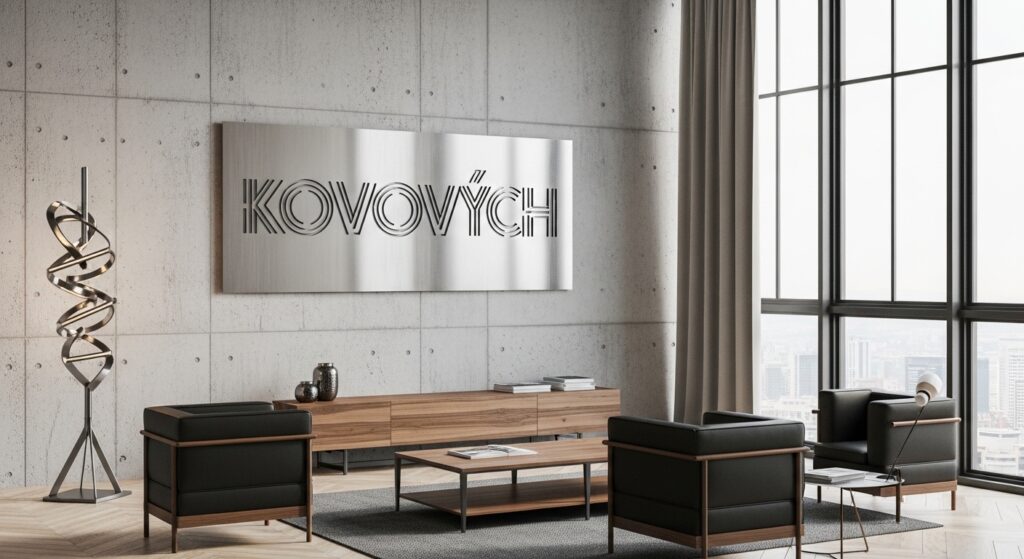
Kovových is more than just a design trend; it’s a captivating blend of artistry and modernity that has captured the imagination of designers and homeowners alike. Imagine spaces where sleek metal finishes harmonize with organic elements, creating an aesthetic that’s both striking and inviting. As we delve into the world of Kovových, you’ll discover how this unique style draws from history while seamlessly integrating technology to redefine contemporary interiors. Whether you’re an avid design enthusiast or simply curious about fresh aesthetics, the allure of Kovových promises inspiration at every turn. Join us as we explore its roots, characteristics, and future potential in modern design!
History and Origins of Kovových
Kovových has roots that trace back to ancient craftsmanship. The term itself derives from the Czech word for metal, reflecting a strong connection to materials and their properties.
Historically, artisans experimented with metals, creating functional yet beautiful pieces. This practice laid the groundwork for what we now recognize as Kovových design.
The movement gained momentum in the 20th century. Designers began incorporating industrial techniques alongside traditional methods. This blend fostered innovation and led to unique aesthetics that are distinctively modern.
As society evolved, so did Kovových’s appeal. It captured the imagination of designers who sought both durability and artistic expression. Today, this design philosophy continues to inspire contemporary creators worldwide.
Characteristics and Elements of Kovových Design
Kovových design stands out for its distinctive fusion of materials, often incorporating metal elements alongside wood, glass, and fabric. This blend creates a striking contrast that draws attention.
The lines in Kovových pieces tend to be clean and geometric. Such shapes provide a modern aesthetic while maintaining functionality. Textures play an essential role too; the interplay between polished surfaces and raw finishes adds depth.
Color palettes are usually muted or earthy tones, letting the materials take center stage. However, bold splashes of color can also appear as accents, infusing energy into designs.
Lighting is crucial in Kovových spaces. Innovative fixtures not only illuminate but enhance the overall atmosphere. Sustainability is increasingly becoming part of this style ethos—designers are looking at eco-friendly materials without compromising on sleek appeal.
The Role of Technology in Modern Kovových Design
Technology has profoundly influenced modern Kovových design, pushing the boundaries of creativity. Advanced software tools allow designers to visualize intricate patterns and structures that were once nearly impossible to create.
3D printing is a game-changer in this space. It enables artists to produce unique pieces with precision and minimal waste. This method allows for experimentation with various materials, yielding innovative textures and finishes.
Moreover, digital fabrication techniques enhance collaboration among designers globally. Ideas can be shared and adapted quickly, leading to diverse interpretations of the Kovových aesthetic.
Sustainability also plays a vital role today. Technology provides eco-friendly solutions for sourcing materials and optimizing production processes, making designs more responsible without sacrificing style.
As technology continues evolving, so will its impact on Kovových design. The fusion of art and innovation promises an exciting future filled with new possibilities.
Incorporating Kovových into Interior Design
Incorporating Kovových into interior design brings a fresh and sophisticated edge. This aesthetic celebrates the intrinsic beauty of metals, creating spaces that are both functional and visually striking.
Start with statement pieces—think metal coffee tables or sculptural light fixtures. These elements can serve as focal points while adding character to any room.
Textures play a crucial role in Kovových design. Pair smooth metal finishes with soft textiles for contrast. The combination creates an inviting space that feels balanced and engaging.
Wall art made from reclaimed metals adds personality without overwhelming the decor. It tells a story while enhancing the modern vibe you aim to achieve.
Don’t shy away from mixing materials. Wood, glass, and ceramics blend beautifully with metallic accents, enriching your overall design scheme. This layering invites depth and intrigue into each corner of your home.
Examples of Successful Implementations of Kovových
Kovových has made waves in various design projects, showcasing its versatility and appeal. One standout example is the Kovových-inspired café in Prague. Its sleek metal fixtures contrast beautifully with warm wood elements, creating an inviting atmosphere.
In the furniture industry, a New York-based studio introduced a line of Kovových pieces that blend functionality with artistic flair. Each item boasts clean lines and innovative uses of space, appealing to modern minimalists.
Another striking implementation can be found in public spaces like parks or urban plazas. Sculptural benches made from Kovových materials invite passersby to stop and engage with their surroundings while enhancing the overall aesthetic.
Even luxury hotels have embraced this trend. A recent renovation featured bespoke lighting installations crafted from polished metal that adds sophistication without compromising warmth. These examples highlight how Kovových enriches environments through thoughtful design choices.
Challenges and Limitations of Using Kovových in Design
Using Kovových in design comes with its share of challenges. One prominent issue is the material’s weight. This can complicate installation and mobility, especially in large pieces.
Durability is another concern. While Kovových can be robust, exposure to certain elements may lead to corrosion or wear over time. This necessitates careful consideration regarding finishes and protective coatings.
Additionally, achieving a cohesive aesthetic can be tricky. The boldness of Kovových might clash with softer materials or more traditional styles, requiring a thoughtful balance for harmonious integration.
Cost is also a factor that cannot be overlooked. Quality Kovových designs often come at a premium price point, which might limit accessibility for some consumers or projects.
Environmental considerations are gaining attention as well. Sourcing sustainable materials while maintaining the unique qualities of Kovových presents an ongoing challenge for designers aiming for eco-friendly practices.
Future Trends and Possibilities for Kovových
The future of Kovových design is brimming with potential. As sustainability becomes a priority, designers will likely explore eco-friendly materials that complement the aesthetic. Imagine integrating recycled metals into structures or furniture.
Innovation in 3D printing could revolutionize how Kovových elements are produced. This technology allows for intricate designs that were once impossible to achieve, pushing creative boundaries further than ever before.
Biophilic design principles may also influence trends. Incorporating natural elements alongside metal can create harmonious blends of warmth and industrial elegance.
Smart home integration stands poised to enhance functionality without compromising style. Imagine lighting fixtures crafted from traditional materials but equipped with modern technology for seamless control.
With each passing year, the possibilities multiply, ensuring that the spirit of continues to evolve while retaining its distinct charm and character in our spaces.
Conclusion
Kovových stands as a testament to the innovative spirit of modern design. Its unique aesthetic, rooted in both tradition and contemporary influences, offers endless possibilities for creativity. As technology continues to evolve, so too will Kovových designs, pushing boundaries and challenging perceptions.
The incorporation of into interior spaces allows for an eclectic blend of old and new elements. Designers are increasingly recognizing its potential to create bold statements while maintaining functionality. With numerous successful implementations already inspiring many, it’s clear that this design style is not just a fleeting trend but rather a movement poised for growth.
However, challenges remain—balancing aesthetics with practicality can be tricky when working with such materials. Despite this, the resilience of ensures it holds its place in the future landscape of design.
As tastes shift and sustainability becomes ever more critical in our choices, may very well adapt to meet these demands. This ongoing evolution promises exciting developments ahead in how we perceive and utilize this fascinating design approach.